STSecret Therapy
Dark Circle Clinic · Concealer Fat Grafting

It does not just fill a hollow. It treats the thin skin shadow.

Concealer under-eye fat grafting is not about adding bulk. It places finely prepared fat in the thin plane between skin and orbicularis muscle to support translucent, see-through dark circles and fine lines.

Core
Fine fat particles
Plane
Skin–orbicularis layer
Difference
Not ordinary deep grafting
Target
Translucent shadows
Principle
Thin, even support

When concealer grafting may be considered

  • The dark circle is mainly a surface, see-through shadow rather than a bulge or groove
  • Thin skin allows color or vessels to show through like a dark circle
  • A fine residual shadow remains after structural correction
  • Ordinary fat grafting or filler may look lumpy in the thin under-eye plane
  • The goal is cause-based support, not simply filling every dark circle
ST Approach

ST first separates the cause: orbital fat bulge, tear-trough tethering, true hollowing, skin translucency, pigmentation, or a mixed pattern. Concealer fat grafting is not a shortcut for every dark circle; it is an adjunct when fine support near the skin layer is actually needed.

Layer Difference

Ordinary fat and concealer fat are placed in different planes.

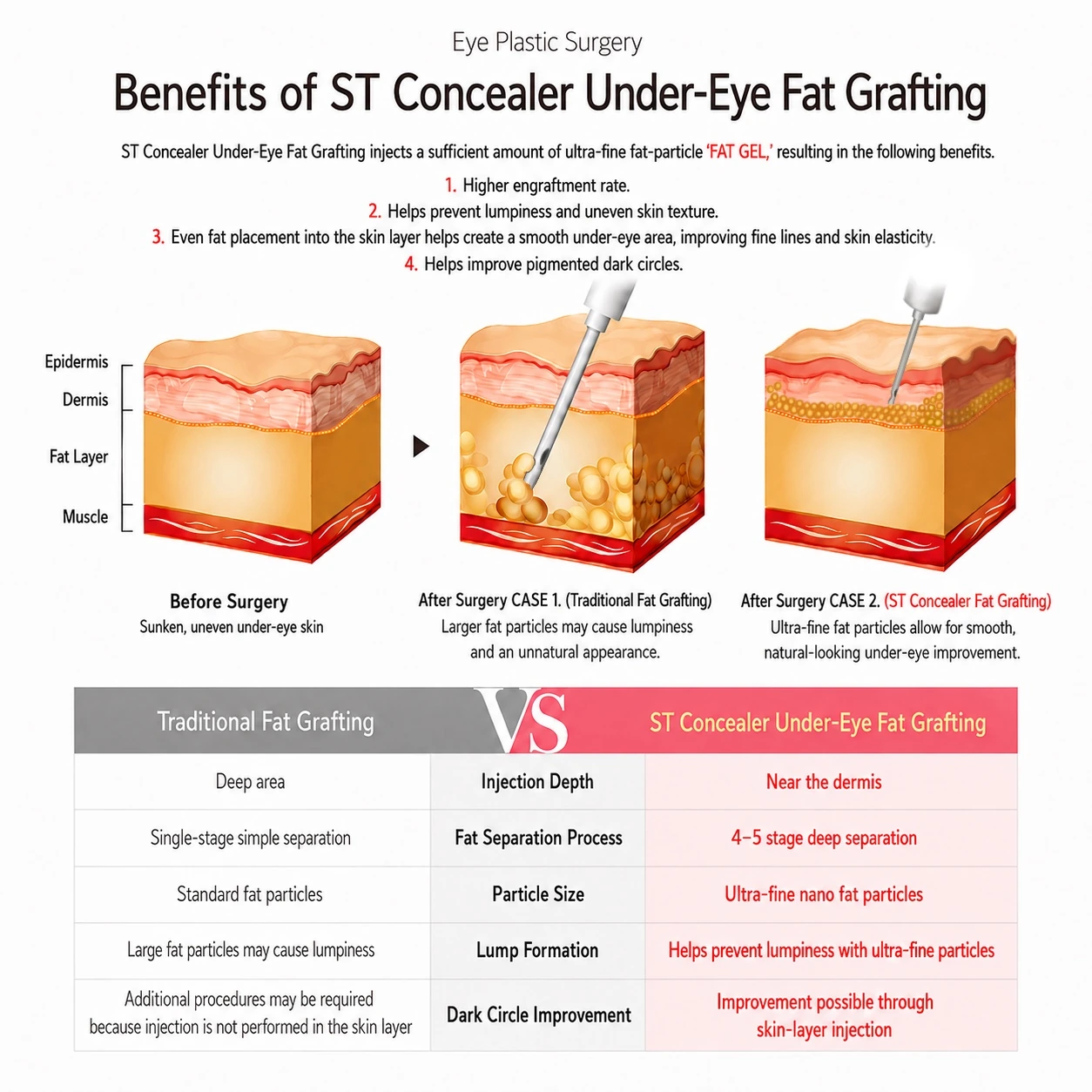
Ordinary deep fat grafting and ST concealer-style grafting differ in plane and particle behavior: finer particles are prepared and spread closer to the skin layer to reduce surface burden in the thin under-eye area.

Diagram comparing ordinary fat grafting and ST concealer under-eye fat grafting by plane and particle size
Why Concealer Fat

Dark circles are not solved by adding more volume.

The under-eye skin is thin and moves with expression. Coarse fat or filler placed in the wrong plane can appear uneven. Concealer fat grafting prioritizes particle size, refinement, and injection plane rather than volume alone.

  • Separate the dark-circle cause first
  • Select see-through, skin-layer shadows
  • Use finer particles suited to a thin plane
ST Difference

ST concealer fat grafting is not the same as ordinary fat grafting.

ST concealer fat grafting focuses on multi-step refinement, ultra-fine particles, skin-layer placement, and reducing lumpiness. It is a different layer, different particle size, and different purpose from ordinary deep fat grafting.

  • Fine support near the skin layer, not deep bulk
  • More refined particles for even spread
  • Designed for dark-circle shadows and fine lines
Compare

Ordinary fat grafting vs ST concealer fat grafting

A direct comparison by placement, refinement, particle size, surface behavior, and dark-circle purpose.

Axis
Ordinary fat grafting
ST concealer fat grafting
Placement
Usually deeper volume support
Thin plane near skin and orbicularis muscle
Refinement
Relatively simple fat separation
Multi-step refinement for finer particles
Particle size
Larger fat particles
Finer, more spreadable particles
Surface
May appear lumpy in thin under-eye tissue
Planned to disperse evenly and reduce surface burden
Dark circle
May need additional correction
Targets skin-layer shadow and fine-line support

ST concealer grafting flow

01

Separate the cause

Bulging, tethered groove, pigmentation, thin skin, and true hollowing are separated before deciding whether grafting is appropriate.

02

Prepare fine fat

Fat is refined for the thin under-eye layer so that the surface burden is reduced.

03

Disperse in a thin plane

The aim is not one lump of volume, but thin, broad support in the plane that needs it.

04

Review after settling

Swelling and fat survival vary, so the residual shadow is reviewed only after adequate stabilization.

Reference Cases

Patterns where surface shadow support matters

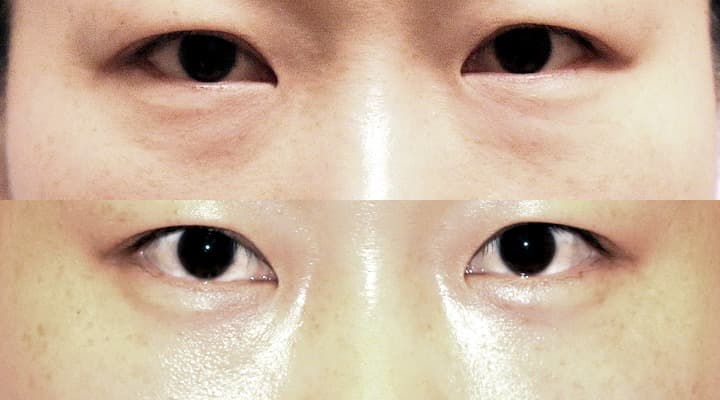
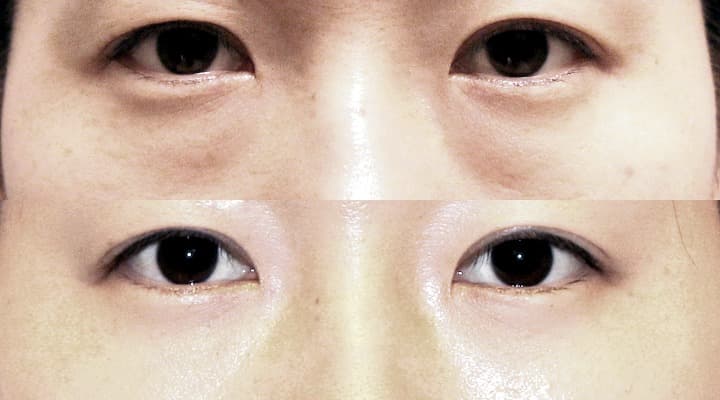
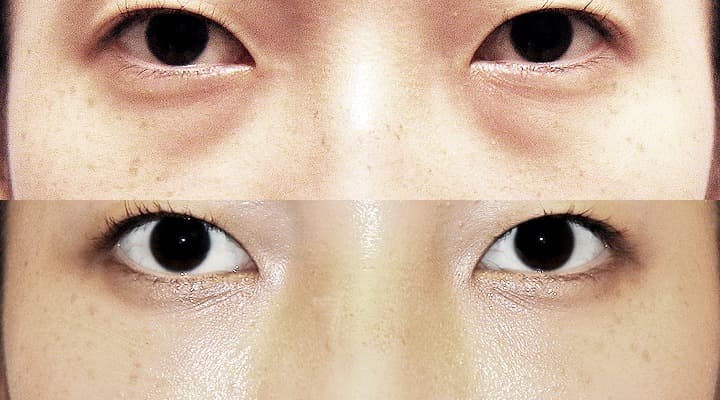
These consented before-and-after images are shown as reference patterns. They are not presented as concealer fat grafting alone; under-eye structure correction and fine fat support may be considered together depending on the case.

Case 08 under-eye reference before-and-afterCase 08
Fat Repositioning + Gel

Mixed bulge-and-hollow pattern. Transconjunctival fat repositioning combined with fat-gel layering to even out residual surface irregularity in a single plan.

Case 19 under-eye reference before-and-afterCase 19
Mid-Face Multi-Layer

Hollow pattern extending past the orbit — transconjunctival lower blepharoplasty with multi-zone fat support across forehead, temple, nasolabial, mid-cheek and a secondary indian-band layer, so the under-eye correction is matched by the support around it.

Case 20 under-eye reference before-and-afterCase 20
Tear-Trough + Indian Band

Structural tear-trough and indian-band groove pattern — transconjunctival lower blepharoplasty with fat-gel placement into those specific channels plus cheek and nasolabial layering, treating the groove at its structural source rather than masking it.

Frequently asked

No. Pigmentation, vessels, eye bags, tethered tear troughs, and true hollows are different causes. Concealer grafting is considered selectively when a see-through, skin-layer shadow remains after structural correction.

The plane and particle size. Ordinary grafting often supports deeper volume, while ST concealer grafting is described as finer fat placed closer to the thin under-eye skin layer.

Safety depends on the patient and technique. In the thin under-eye, filler or coarse fat can cause puffiness or unevenness; ST first evaluates the cause and plane before choosing a method.

Considering revision? Start with an easy consultation.

You do not need to decide on surgery first. Send photos and prior procedure history, and ST will help you begin comfortably.

Book Consultation